 Dota 2
Coaching / Replay Analysis
Dota 2
Coaching / Replay Analysis
Positioning and Timing: Key Concepts Pro Coaches Focus On First
Master the core pillars of Dota 2 success by learning how professional coaches break down positioning and tactical timing during replay reviews.
The Foundation of Pro-Level Coaching: Why Positioning Triggers Every Engagement
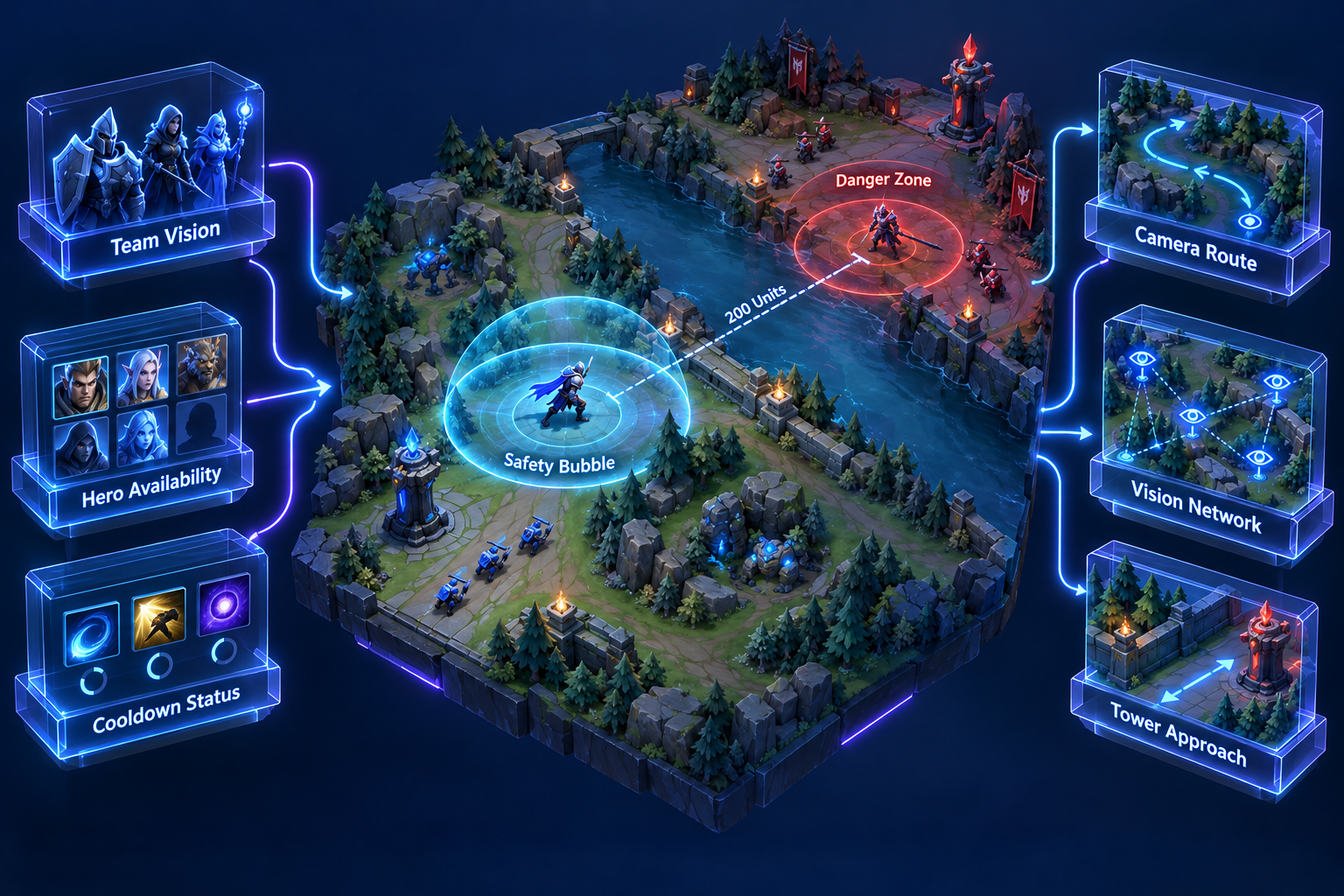
When professional Dota 2 coaches analyze a high-rank replay, their very first checkpoint is rarely mechanics or item builds. Instead, they look closely at spatial awareness and how heroes occupy lanes, forests, and river spaces. Positioning determines your margin for error; standing just two hundred units out of alignment can turn a favorable initiation into a swift, game-losing team wipe.
Evaluating your own positioning requires looking beyond immediate skirmishes and examining your map presence minutes before a fight breaks out. Coaches teach players to visualize a dynamic safety bubble around their hero that expands and contracts based on enemy vision, hero availability, and item cooldowns.
- Review your camera movement to check if you maintain vision of incoming flank routes during laning.
- Identify at least three instances per game where you were caught outside your team's vision network.
- Map out enemy hero positions on the minimap before committing to pushing an outer tier tower.
Synchronizing Timing Windows: Aligning Power Spikes with Objective Control
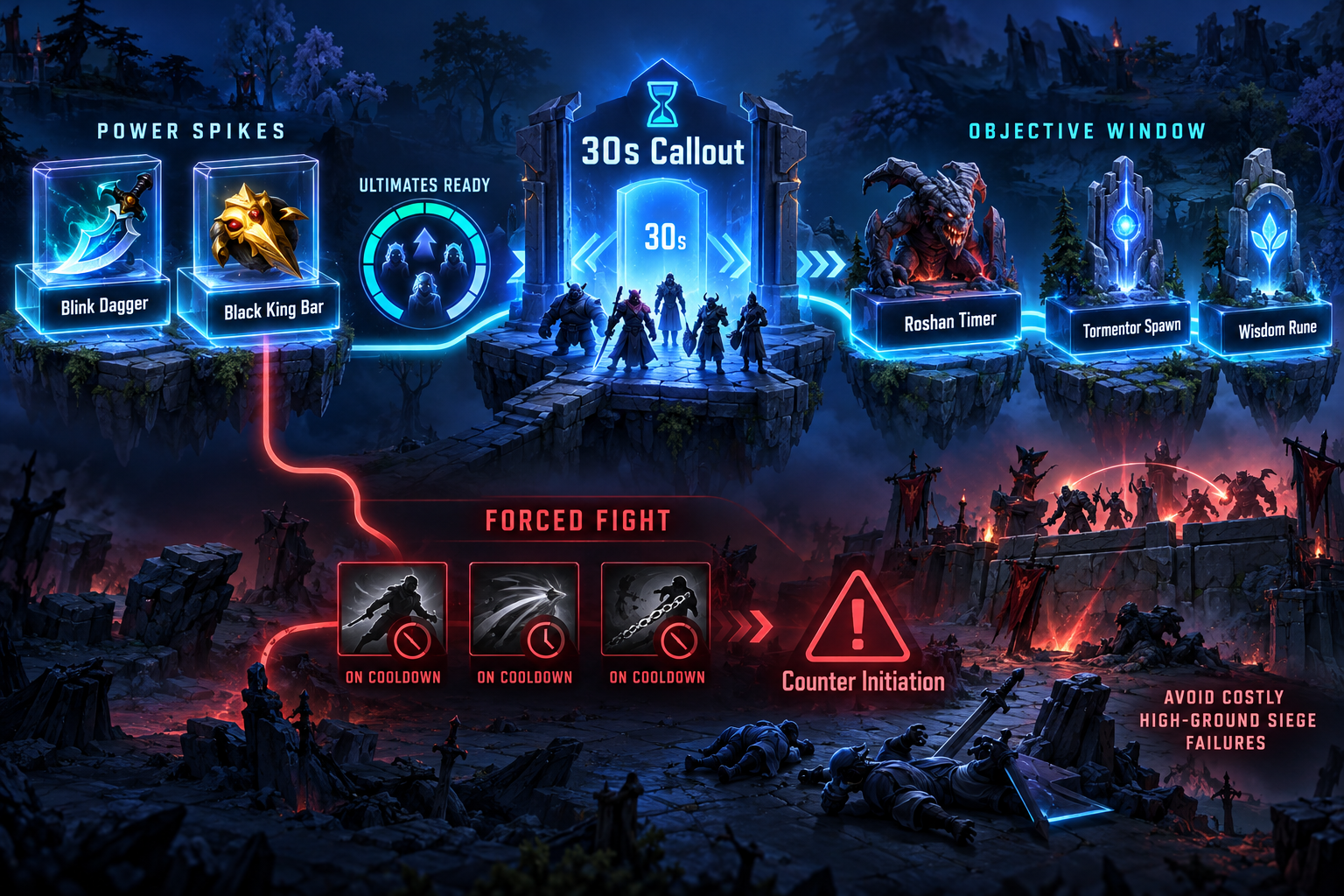
Timing in Dota 2 is an intricate dance of item breakpoints, experience thresholds, and Roshan spawn timers. A common pitfall for aspiring players is forcing engagements while key abilities are on cooldown or just seconds before a core hero finishes a crucial item like a Blink Dagger or Black King Bar.
Coaches emphasize patience over constant aggression, teaching players to recognize when their team holds a temporary advantage. By synchronizing your team's power spikes with map objectives like Tormentors or Wisdom Runes, you drastically reduce the risk of costly counter-initiations.
- Note the exact timestamp when primary core items are completed in your replays.
- Track enemy hero buyback statuses and ultimate cooldowns before initiating high-ground sieges.
- Communicate upcoming power spikes to your team at least thirty seconds in advance.
When to Grind Solo Versus When to Partner with a Professional Coach
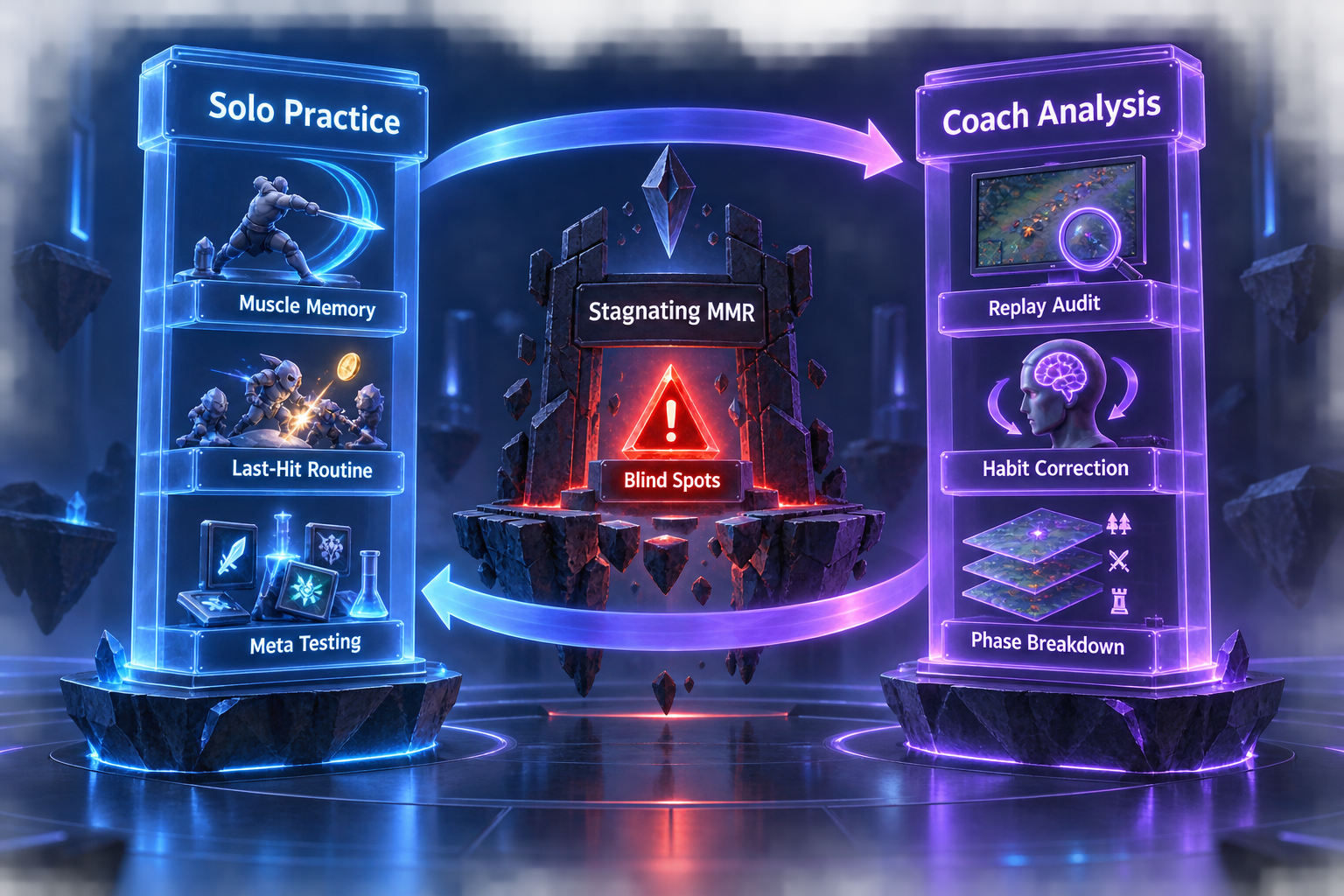
Independent practice is essential for building muscle memory, last-hitting consistency, and basic hero mastery. Playing solo allows you to test experimental builds and adapt to fluctuating matchmaking metas at your own pace without external pressure.
However, blind spots are notoriously difficult to spot on your own, which is where specialized replay analysis and coaching become invaluable. If you find your MMR stagnating despite hundreds of matches played, an outside perspective can quickly identify recurring bad habits in your positioning and timing that solo play fails to reveal.
- Maintain a personal journal of match outcomes and recurring death causes for self-evaluation.
- Seek external replay reviews when you notice repeated losses during specific game phases.
- Balance mechanical training lobbies with analytical review sessions each week.
Deconstructing Replays: A Step-by-Step Analytical Framework
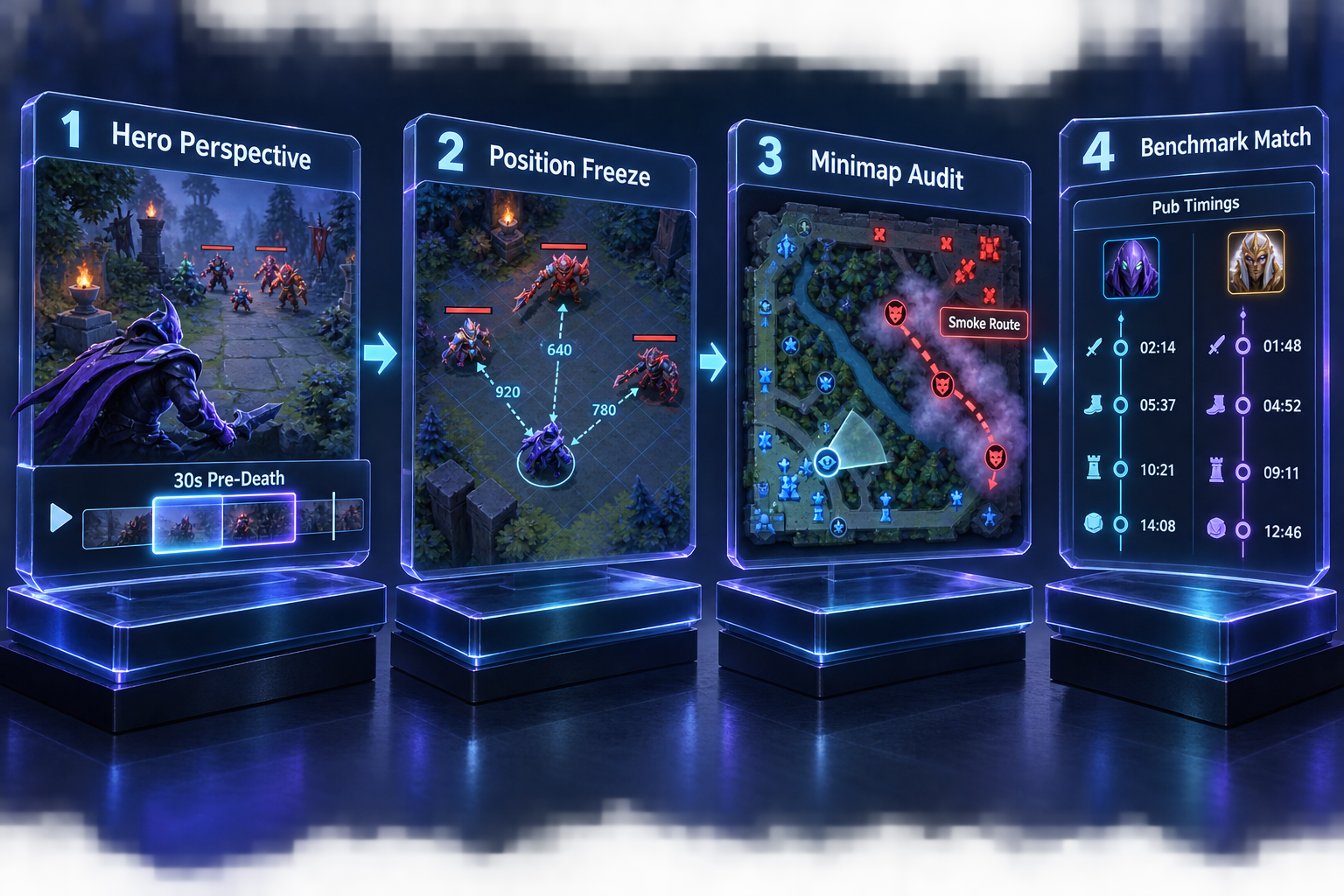
Effective replay analysis is an active process that requires structured note-taking rather than casual viewing. Start by watching your losses from your hero's perspective, paying special attention to the thirty seconds leading up to every death.
Ask yourself critical questions about information availability: What did you see on the minimap? What assumptions did you make about enemy movements? Pinpointing the exact moment your mental model diverged from the reality of the match is the key to accelerated improvement.
- Pause the replay the moment an unfavorable fight begins to evaluate your initial positioning.
- Compare your item timings against benchmark data from high-level pub matches.
- Analyze enemy smoke ganks to see where your vision setup failed to provide adequate warning.
Translating Analytical Insights into Practical Match Habits
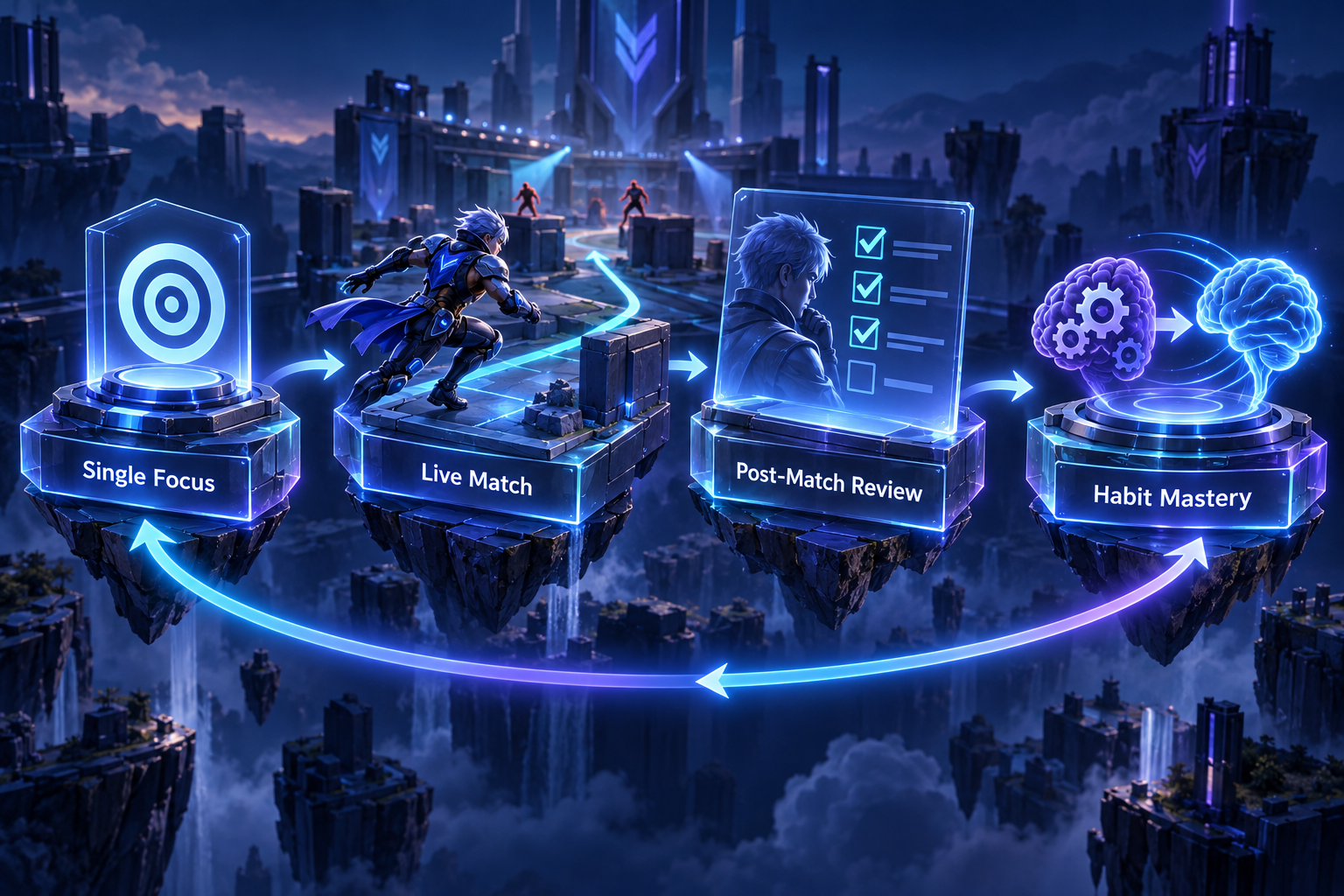
Theory learned from replay analysis means little if it fails to translate into live matchmaking habits. Focus on implementing one specific adjustment per game—such as improving your pre-fight positioning or respecting enemy timing windows—rather than trying to overhaul your entire playstyle overnight.
Consistent, incremental habit formation builds sustainable skill growth. Over time, correct positioning and timing decisions will transition from conscious mental calculations into reliable second nature during high-pressure team fights.
- Pick a single tactical focus for each matchmaking session.
- Use post-game reflection time to verify whether you successfully applied your chosen focus.
- Adjust your practice routine based on recurring mistakes identified during review sessions.
Take the Next Step
Master Your Gameplay with Professional Guidance
Turn complex replay data into clear, actionable improvements with personalized coaching tailored to your preferred roles and heroes.