 Dota 2
Low Priority Removal
Dota 2
Low Priority Removal
How Behavior Score Changes Impact Your Queue Times and Low Priority Risk
Learn how Dota 2 behavior score updates affect your match queue times and low priority risk. Master practical strategies to maintain high standing, avoid communication bans, and clean your record.
Understanding the Modern Dota 2 Behavior Score System
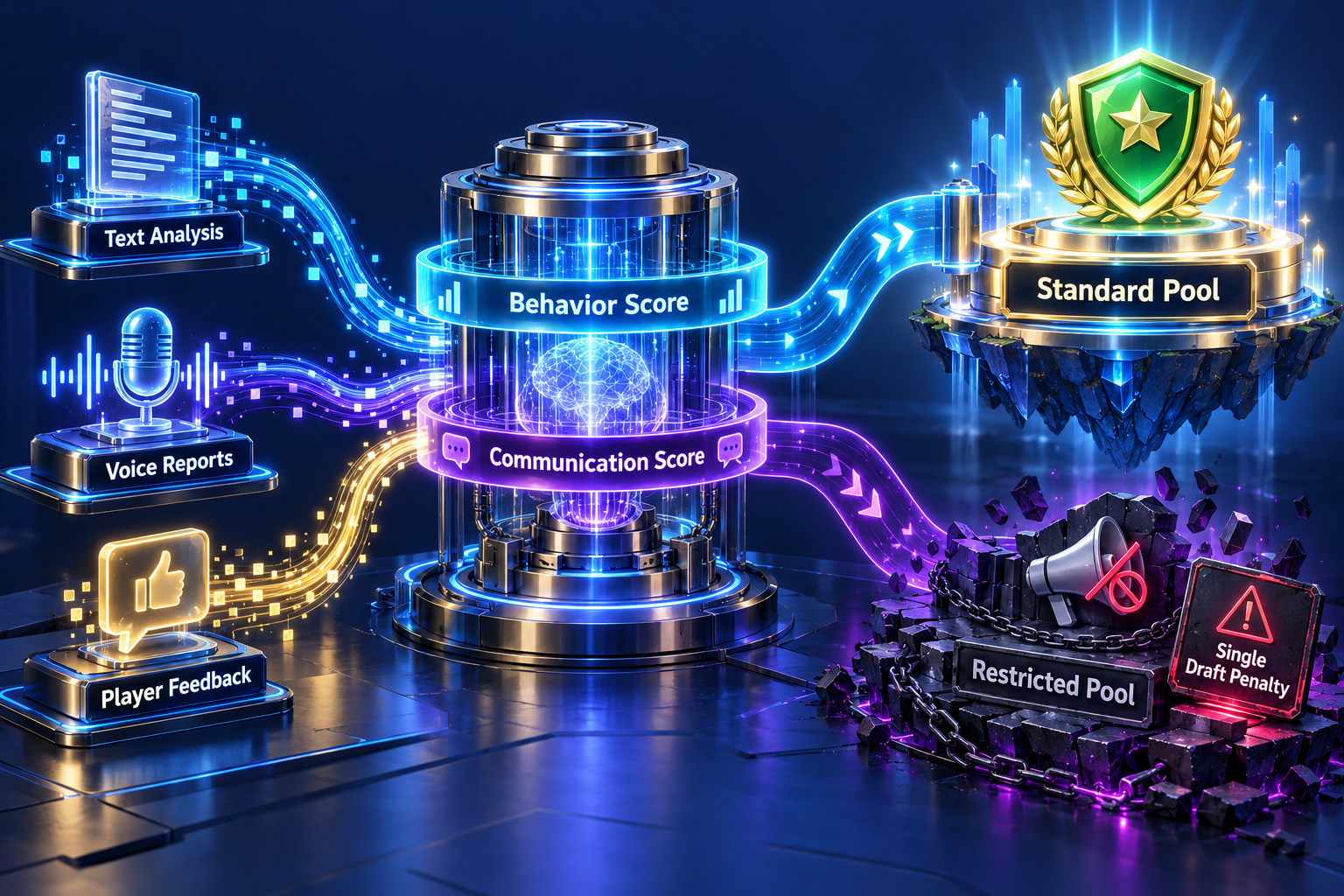
Valve's updated behavior and communication score metrics evaluate player conduct across recent matches using automated text analysis, voice reporting, and post-game player feedback. Your standing directly dictates the quality of your matchmaking pool, influencing everything from teammate reliability to the frequency of griefing incidents.
Dropping below critical thresholds triggers severe penalties, including restricted communication features and a higher likelihood of being placed into the dreaded Single Draft low priority queue. Keeping track of your post-game summary reports is essential for spotting negative trends before they translate into matchmaking restrictions.
- Check your behavior and communication scores regularly in your Dota 2 profile tab
- Monitor the frequency of reports received in each summary interval
- Avoid abandoning matches, as connection drops carry heavy automated score penalties
How Behavior Metrics Influence Queue Times
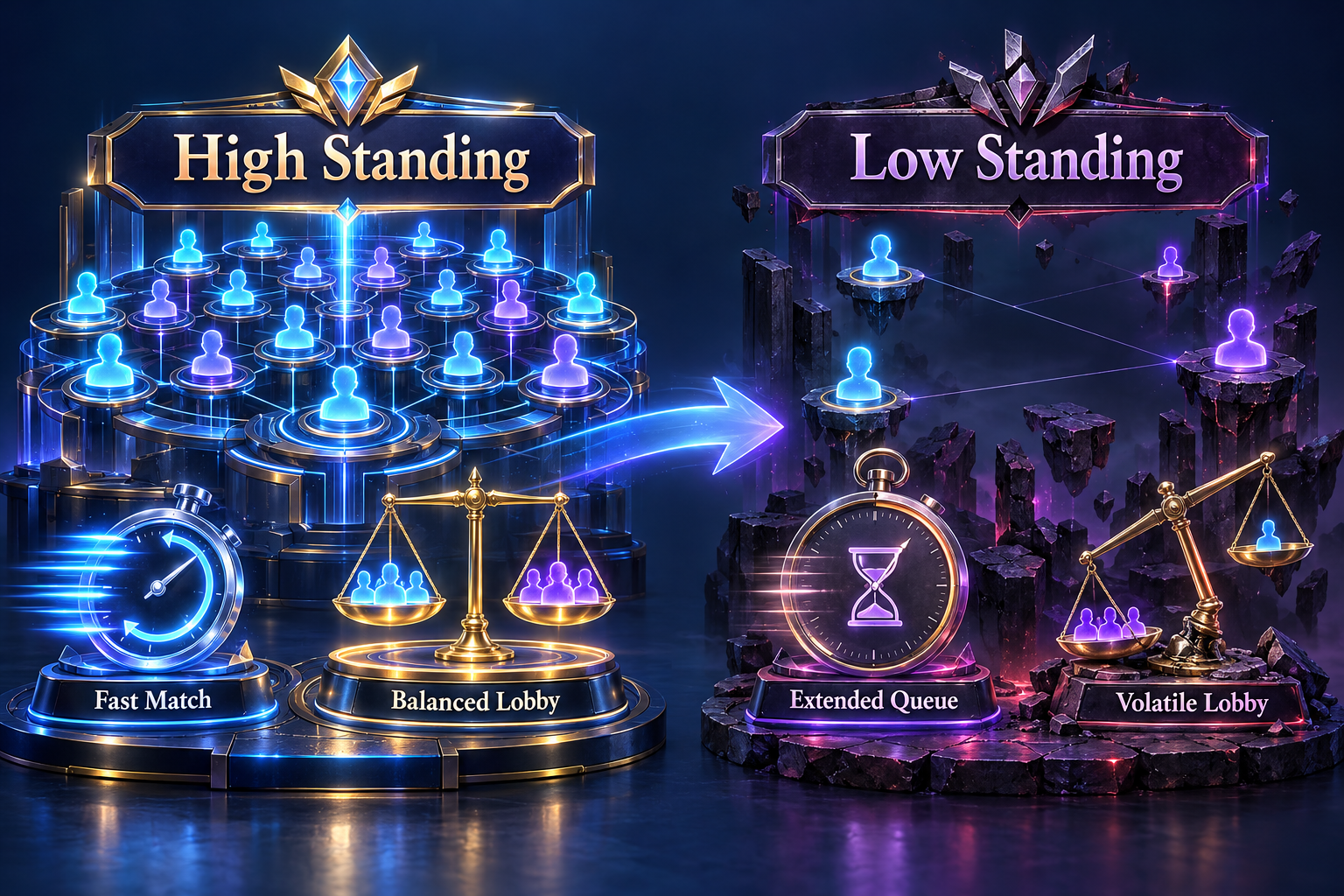
The matchmaking algorithm prioritizes behavior score alongside MMR when assembling lobbies to create more stable teams. When your score drops significantly, the pool of eligible players matching your criteria shrinks, forcing the system to widen parameters and extend search durations.
In severe cases, low scores lead to fragmented matchmaking brackets where finding a balanced game can take upwards of fifteen to twenty minutes. Furthermore, extended queue times often result in wider MMR disparities within the lobby, increasing match volatility and frustration.
- Queue during peak regional hours to mitigate the matchmaking delays caused by low scores
- Avoid constantly canceling and restarting your search queue, which can reset algorithm prioritization
- Recognize that faster queues in low-score brackets often come with significantly lower match quality
Recognizing the Warning Signs of Low Priority Risk
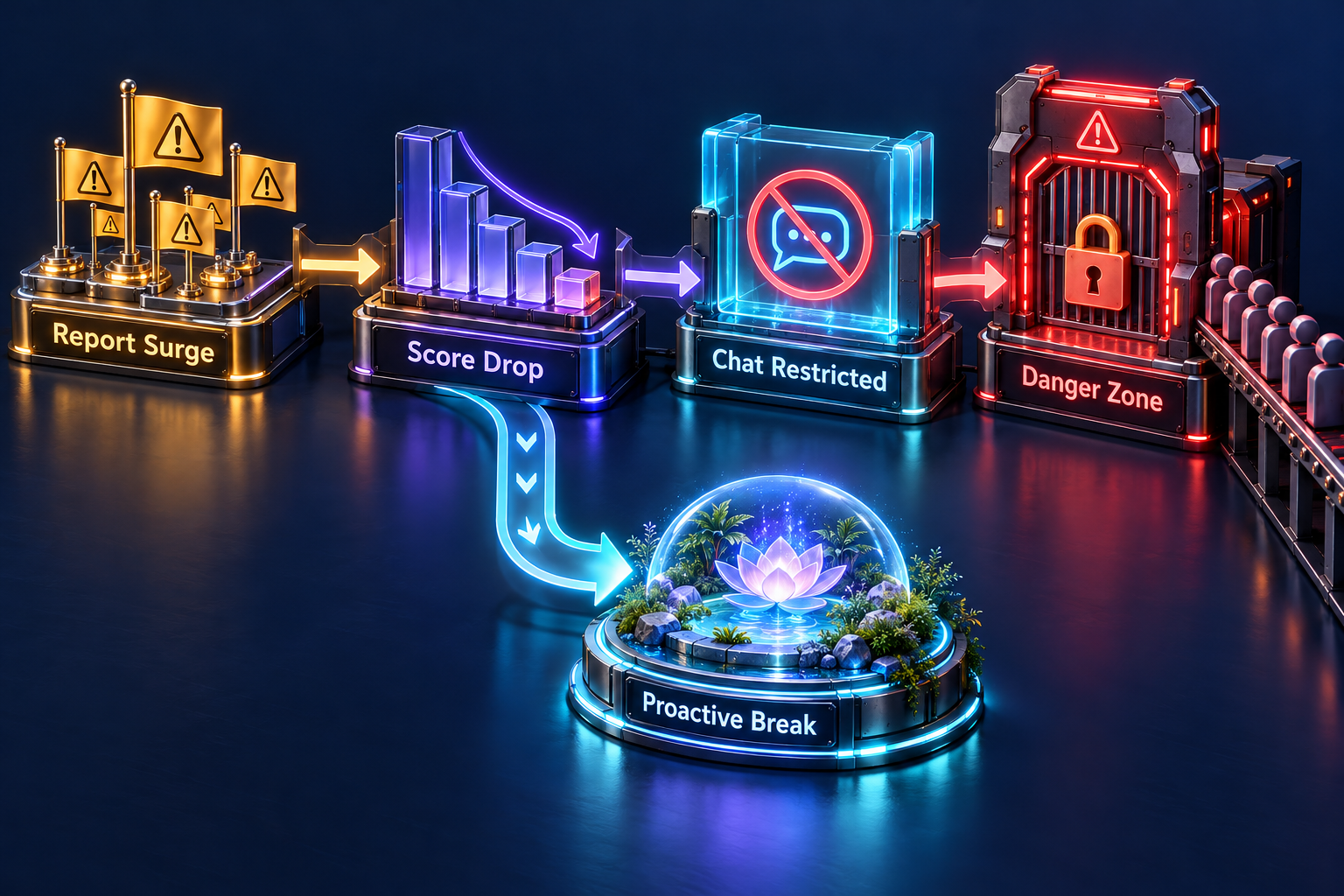
Low priority punishment in Dota 2 is rarely a surprise; it typically follows a documented accumulation of reports for disruptive gameplay, intentional feeding, or abusive communication. When your conduct summary shows a sharp downward trajectory, you are entering the danger zone where a single abandoned game or additional wave of reports will trigger a penalty.
Recognizing these warning signs allows you to alter your approach before automated systems lock you out of standard matchmaking. Taking a proactive break when frustrated is often the most effective way to reset your mental state and protect your account standing.
- Watch for immediate chat restrictions that indicate rising communication penalties
- Step away from the game after experiencing a string of emotionally charged matches
- Disable all-chat if you find yourself drawn into toxic arguments with opponents
Effective Strategies to Rebuild and Maintain Your Score

Rebuilding a damaged behavior score requires consistent positive reinforcement and strict adherence to team communication etiquette. Because scores update dynamically based on recent matches, every clean game where you avoid reports and secure recommendations helps push your metrics back into safe territory.
Focus entirely on your own gameplay execution and support your team constructively rather than policing teammates' mistakes. Positive communication through chat wheel commands and encouraging reinforcement drastically reduces the likelihood of receiving post-game reports.
- Use supportive chat wheel phrases instead of typing lengthy criticisms
- Commend teammates who perform well or maintain a positive attitude under pressure
- Play flexible roles like hard support when needed to foster goodwill within the team
Clearing Low Priority: Solo Grinds vs. Professional Assistance
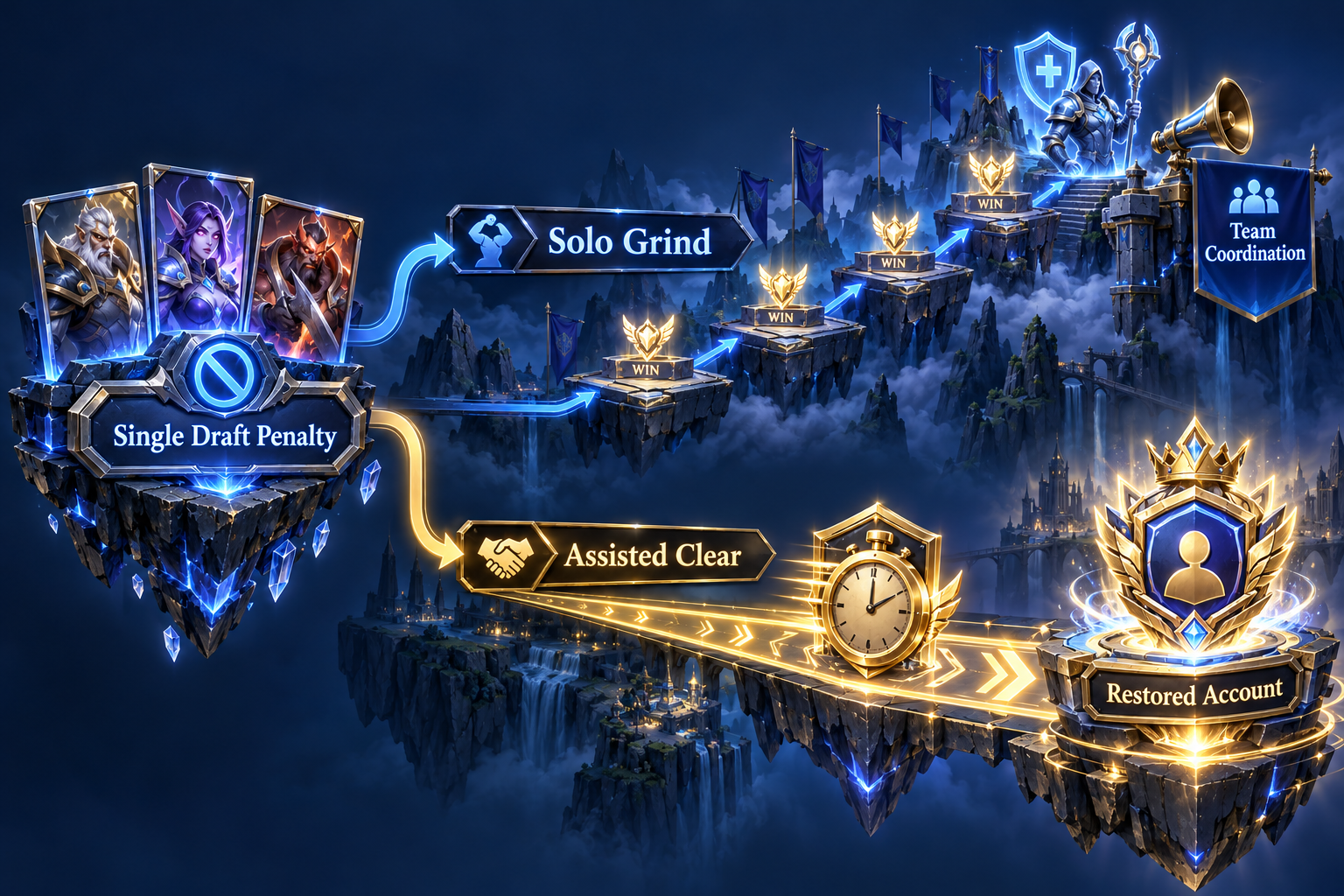
Finding yourself in low priority means grinding through a mandatory number of Single Draft victories where hero pools are randomized and team coordination is notoriously difficult. Clearing these penalty matches independently demands patience, adaptability, and the ability to win with unfamiliar heroes under adverse conditions.
Depending on your schedule and personal tolerance for frustrating matches, you can choose to tackle the Single Draft penalty independently through careful hero selection, or delegate the task to experienced players who specialize in efficiently clearing low priority restrictions and restoring clean account standing.
- Prioritize selecting high-impact supports or pushers during Single Draft matches
- Communicate early with temporary teammates to establish basic draft synergy
- Evaluate whether your time is better spent grinding out penalties yourself or utilizing professional services
Long-Term Habits for a Healthy Dota 2 Experience
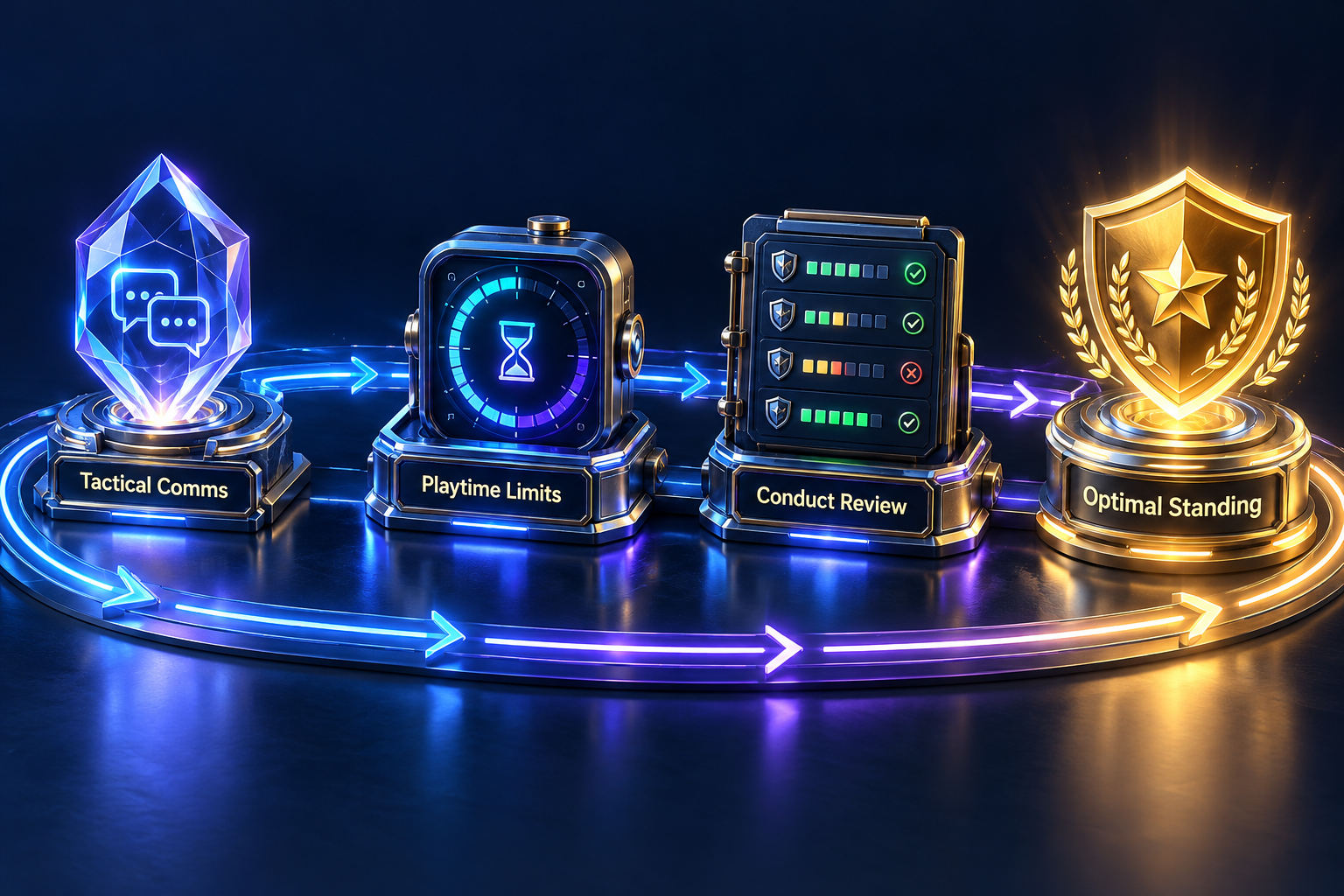
Maintaining a high behavior score is an ongoing discipline that directly correlates with higher win rates and a more enjoyable competitive environment. By treating communication as a tactical resource rather an emotional outlet, you protect your mental energy and avoid the cascading penalties that ruin queue times.
Make it a habit to review your conduct summary after every fifteen games, celebrate steady score improvements, and never hesitate to close the game when competitive fatigue sets in. A healthy account ensures you spend your gaming hours actually playing rather than waiting in extended queues or grinding out penalties.
- Treat every game as a fresh slate regardless of previous match outcomes
- Set strict personal limits on daily playtime to prevent tilt-induced reporting
- Prioritize self-improvement and teamwork above individual frustration
Restore Your Account Health
Professional Behavior Score and Penalty Services
Stop letting low priority and extended queue times ruin your Dota 2 sessions. Delegate the penalty grind to trusted experts and get back to enjoying high-bracket matchmaking.