 Dota 2
Placement Matches
Dota 2
Placement Matches
Dota 2 Calibration Guide: How Ranked Confidence and Calibration Matches Work Now
Master the current Dota 2 calibration system. Learn how Ranked Confidence, performance metrics, and match history influence your MMR placement in the latest season.
Understanding the Ranked Confidence Metric
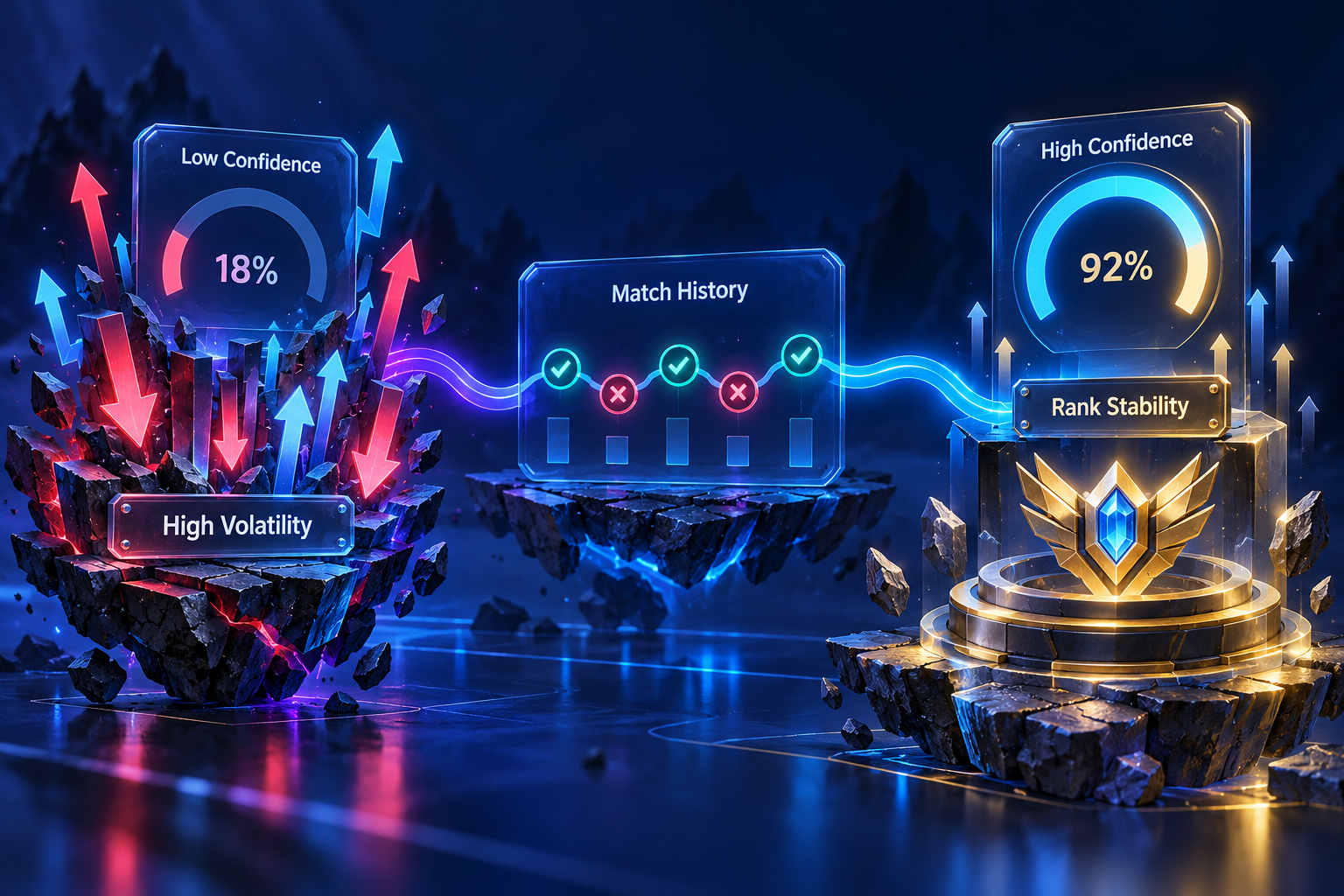
In the current Dota 2 ranked system, your MMR is no longer determined solely by a short burst of placement matches. Instead, the game uses a 'Ranked Confidence' percentage that tracks how accurately the system can predict your skill level based on your recent performance.
If your confidence is low, the system will be more volatile, meaning your MMR gains and losses after each match will be more significant. As you play more games, your confidence increases, and your rank becomes more stable.
- Check your Ranked Confidence percentage in the ranked tab.
- Understand that low confidence leads to larger MMR adjustments.
- Focus on consistent performance rather than short-term win streaks.
How Calibration Matches Function Today
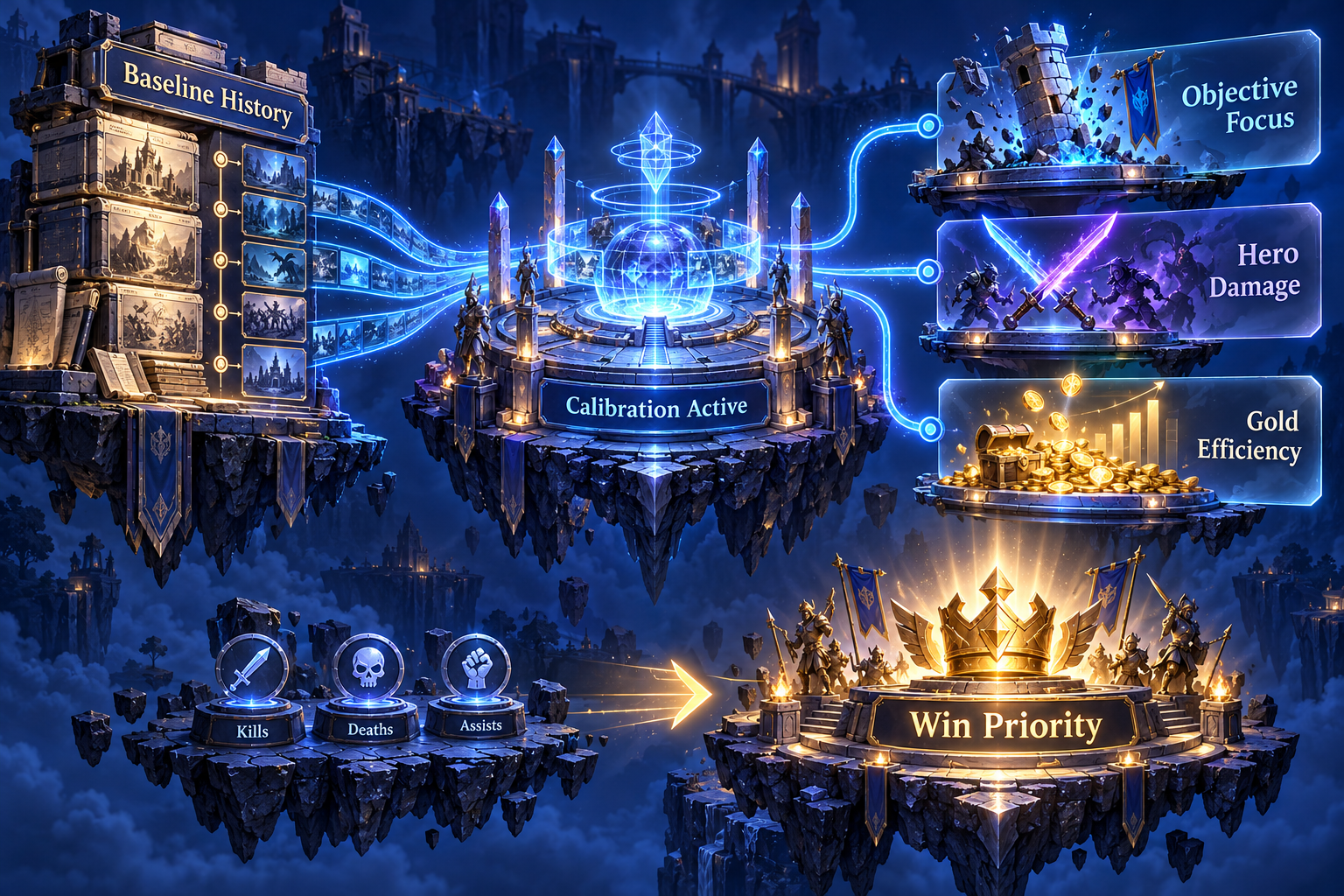
Calibration matches are essentially a period where the system tests your current skill against your historical data. If you have been inactive for a long time, the game may temporarily lower your confidence to re-evaluate your standing.
During these matches, the game looks at a variety of metrics, including hero damage, objective participation, and gold efficiency. While winning is the primary goal, the system also evaluates how you contribute to the team's success in different roles.
- Play your most comfortable heroes to ensure your metrics reflect your true skill.
- Prioritize team objectives over individual KDA stats.
- Review your recent match history to identify recurring mistakes before starting your calibration.
Optimizing Your Performance During Calibration
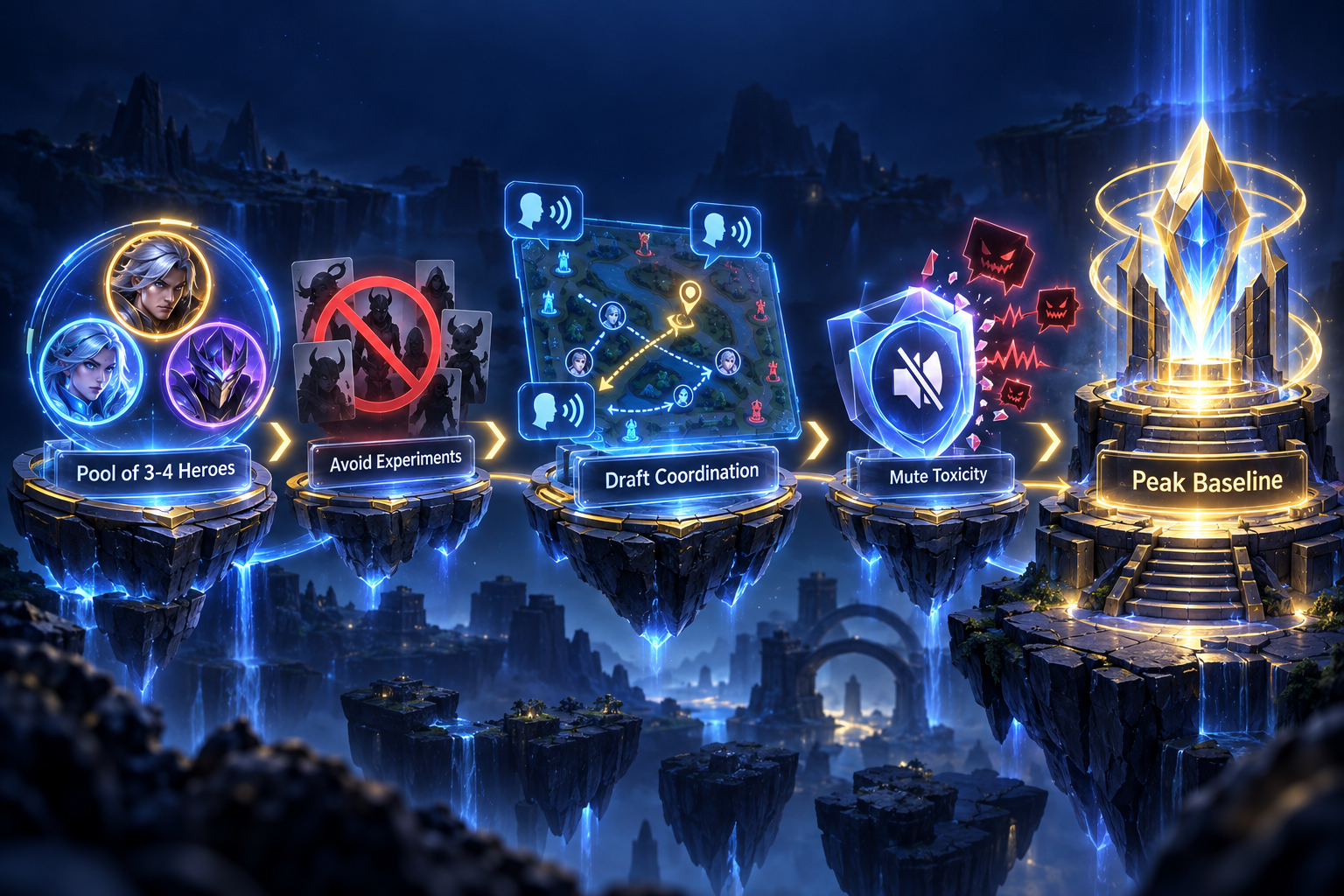
To get the most accurate placement, you should approach calibration matches with the same intensity as a high-stakes tournament game. Avoid experimenting with new heroes or roles during this window, as the system needs a baseline of your best performance.
Communication remains a vital factor. Even if you are playing a core role, coordinating with your supports or setting up ganks can significantly improve your team's win probability, which is the most important metric for your final rank.
- Stick to your 'hero pool' of 3-4 reliable picks.
- Communicate your lane intentions early during the draft.
- Mute toxic players immediately to maintain focus on the game state.
Analyzing Your Results and MMR Adjustments
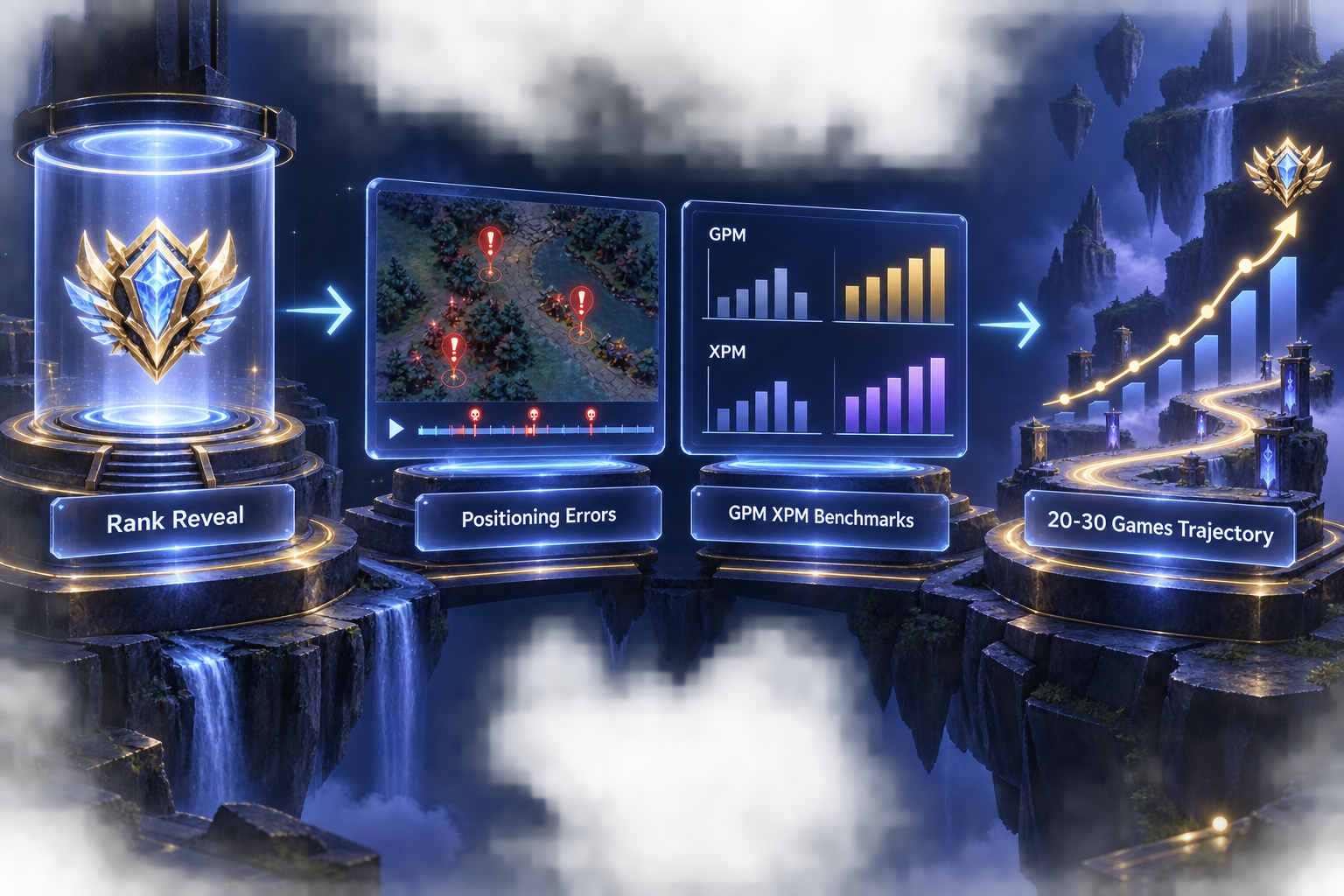
After your calibration matches are complete, you will receive a rank update. If the result is lower than expected, do not be discouraged; the system is designed to be self-correcting. If you are truly better than your current bracket, your win rate will naturally push your MMR upward over time.
Take time to review your replays, especially the matches you lost. Look for patterns in your deaths or missed opportunities in the mid-game. Understanding why you lost is often more valuable for long-term growth than simply winning a match.
- Watch your replays to identify positioning errors.
- Compare your GPM and XPM against high-rank players on the same hero.
- Track your win rate over 20-30 games to see your true trajectory.
When to Grind, Coach, or Delegate
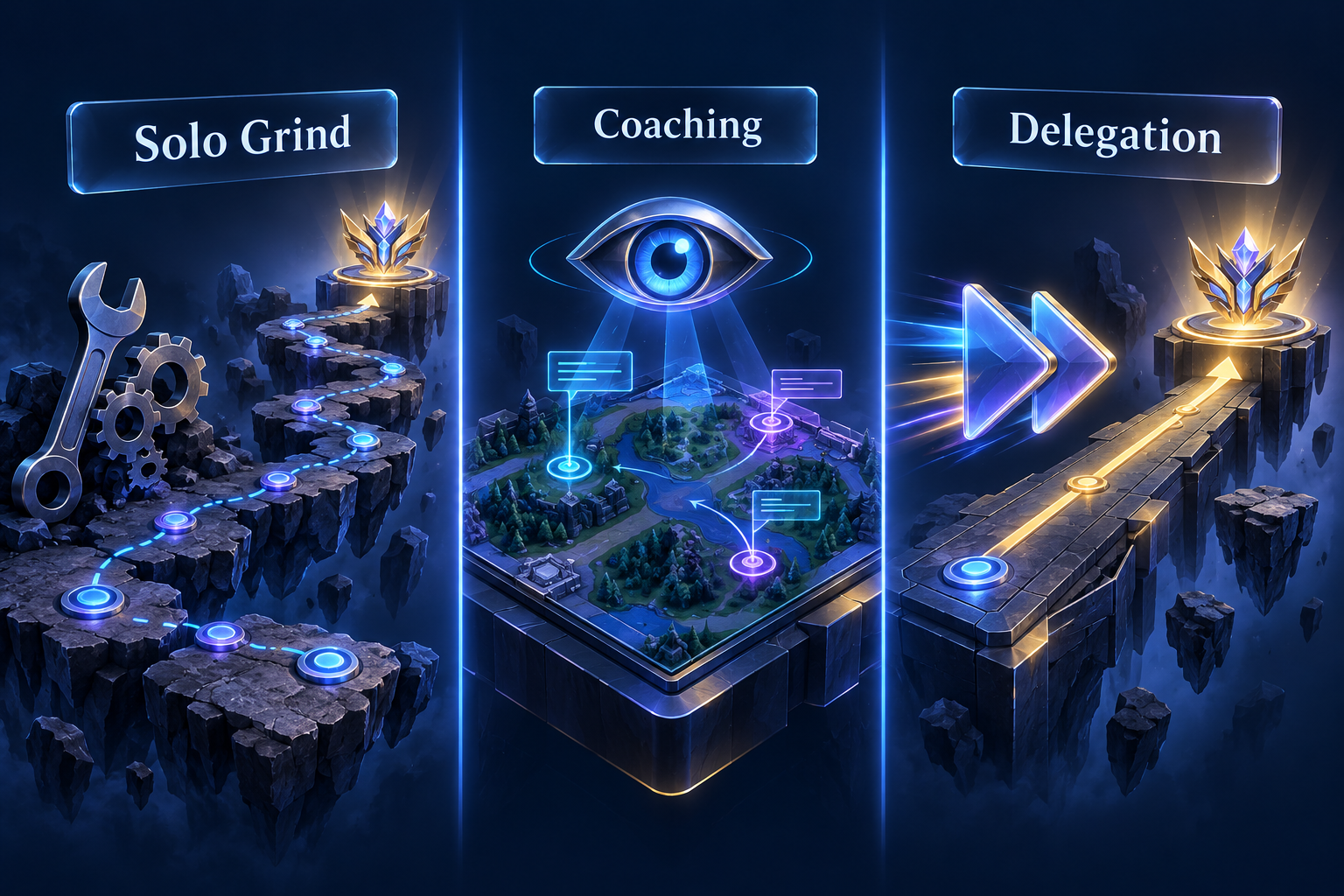
Deciding how to approach your ranked climb depends on your goals and available time. If you enjoy the process of learning and have plenty of time, grinding solo queue is the best way to develop deep game knowledge and mechanical consistency.
If you feel stuck despite playing many games, a coach can provide an objective perspective on your decision-making. However, if you find the calibration process repetitive or simply want to reach your target rank without the grind of dozens of matches, delegating the task to a professional can save you significant time and frustration.
- Grind solo if you want to improve your personal skill through trial and error.
- Hire a coach if you are plateauing and need specific feedback on your playstyle.
- Delegate the calibration process if you want to skip the initial grind and start playing at your desired skill level immediately.
Ready to rank up?
Expert Help for Your Ranked Journey
Whether you need help finishing your calibration or want to climb to a higher tier, our experienced players are ready to assist you in reaching your goals.