 Dota 2
Placement Matches
Dota 2
Placement Matches
Common Mistakes That Ruin Your Fresh Account Calibration Matches
Discover the critical mistakes players make during Dota 2 fresh account calibration matches and learn actionable strategies to secure a solid starting MMR.
The Danger of Playing Unfamiliar Heroes in Ranked Calibration
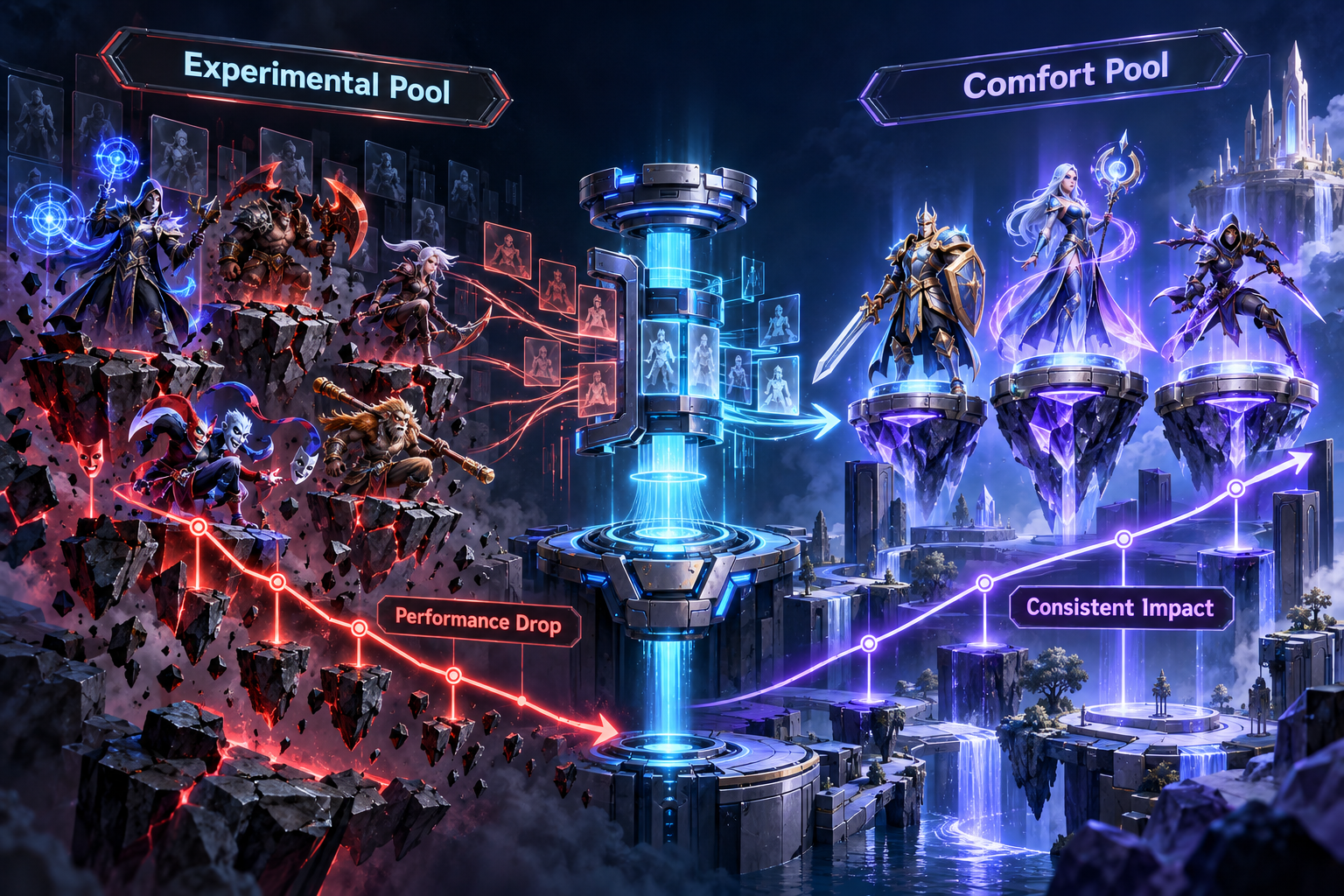
One of the fastest ways to tank your fresh account calibration is treating these matches as a place to practice heroes you barely know. Calibration algorithms heavily weigh your individual hero performance, damage output, and impact against historical averages for those specific picks. When you experiment with high-complexity heroes like Invoker or Meepo without deep mechanical mastery, your efficiency drops dramatically, signaling low competence to the matchmaking system.
Instead, stick to a tight, reliable hero pool of three to four comfort picks that you have successfully repped in normal matches. Mastery over basic mechanics, positioning, and item timings on a simpler hero will always outperform flashy, poorly executed plays on a high-tier comfort risk. Prioritize impact and consistency over counter-picking yourself into an awkward matchup.
- Limit your ranked pool to 3-4 heroes with high match counts.
- Avoid trying newly reworked or unfamiliar heroes during calibration.
- Focus on securing your lane and contributing consistently to team fights.
Ignoring Core Support Duties and Vision Control
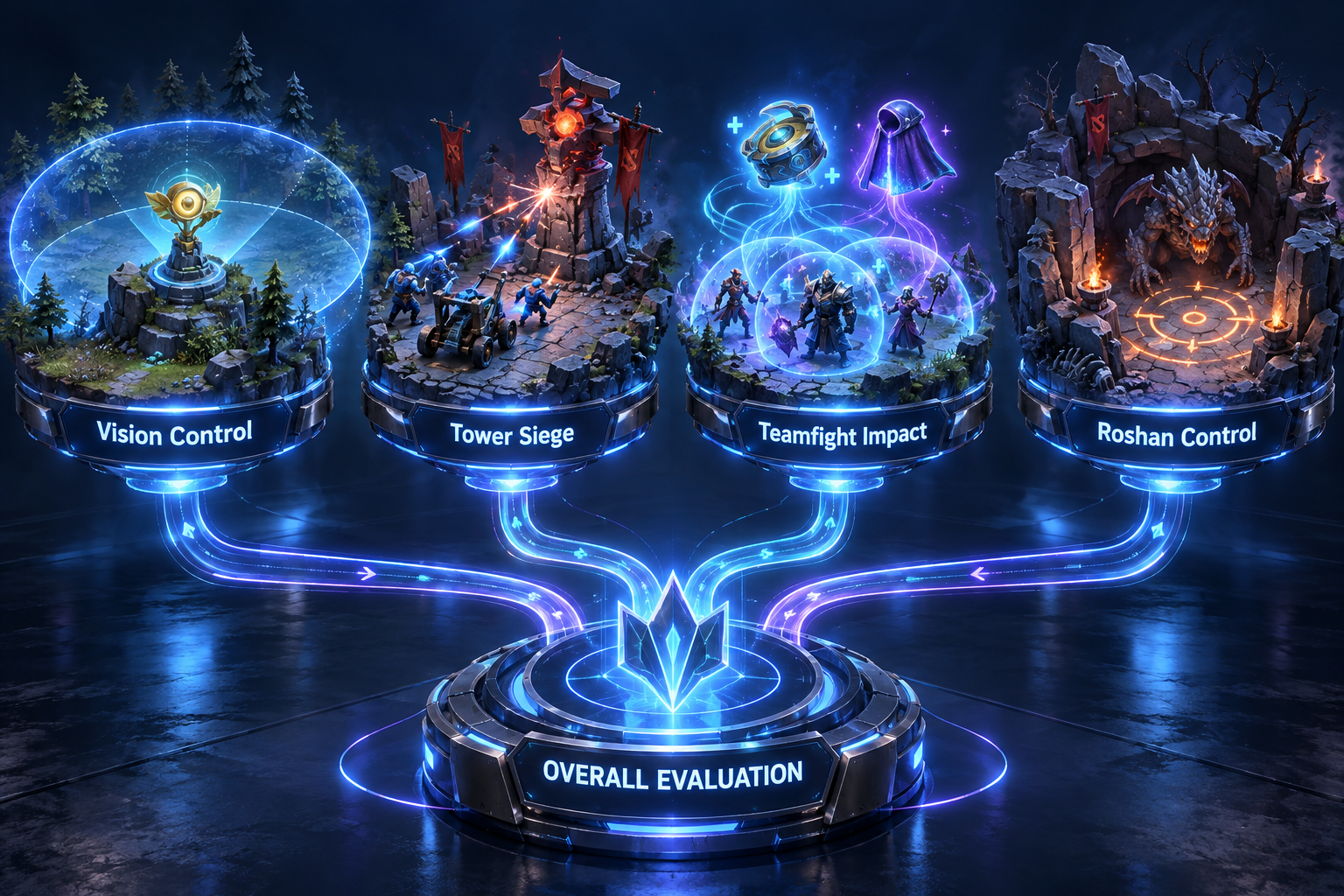
Many players queueing fresh accounts assume that only high net worth and high kill counts matter for calibration, leading them to neglect basic support fundamentals. Whether you queue as a core or support, the matchmaker evaluates participation in objective-based metrics like tower damage, teamfight participation, and vision contribution. Neglecting wards, smokes, and defensive positioning hurts your team's win probability and often lowers your overall performance evaluation.
If you are playing support roles, make sure your warding is proactive rather than reactive, and keep track of key item timings like Mekansm or Glimmer Cape. Core players should likewise contribute by buying their own defensive consumables when under pressure and communicating objective targets to the team.
- Maintain active vision around key objectives like Roshan and outer towers.
- Participate in early skirmishes and secure objective damage.
- Communicate item timings clearly with your teammates.
Failing to Adapt Item Builds to the Matchup
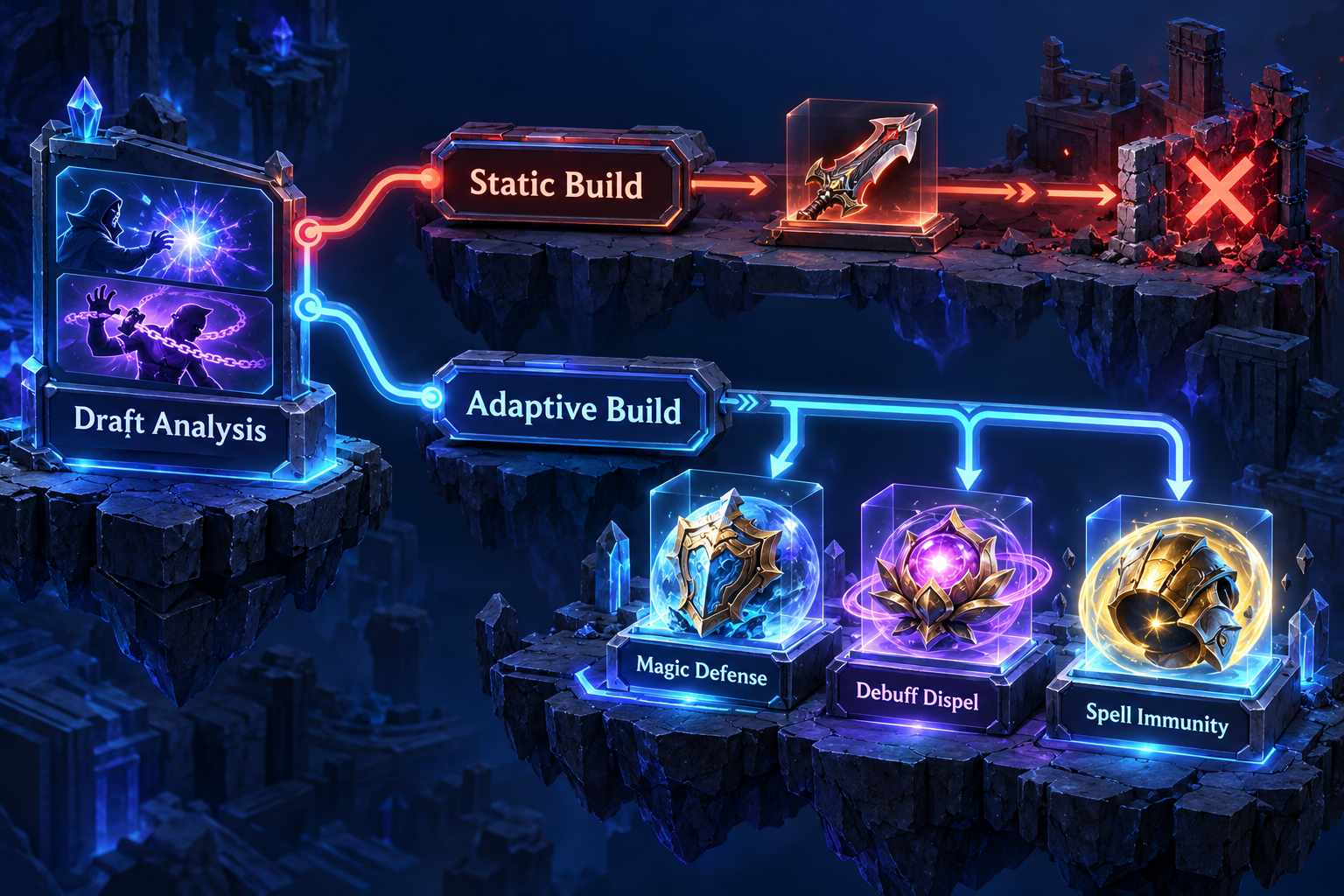
Rigidly following a static guide item build regardless of the enemy draft is a frequent pitfall in calibration games. Dota 2 is a game of constant adaptation, and building the exact same items every game—such as rushing a Maelstrom when your team desperately needs a Pipe of Insight or a Lotus Orb—can single-handedly lose a won match. The system rewards efficient net worth utilization and effective counter-building.
Take a careful look at the enemy draft during the picking phase and plan your core item progression around their primary threats. Recognizing when to delay your damage items for defensive utility or dispel mechanics demonstrates game sense that contributes positively to your overall match evaluation.
- Review enemy team compositions for heavy magic burst, physical damage, or disable heavy lineups.
- Prioritize defensive items like BKB, Linken's Sphere, or Force Staff when pressured.
- Avoid tunnel-visioning on farming items when your team needs immediate fighting power.
Communication Breakdowns and Tilt Management
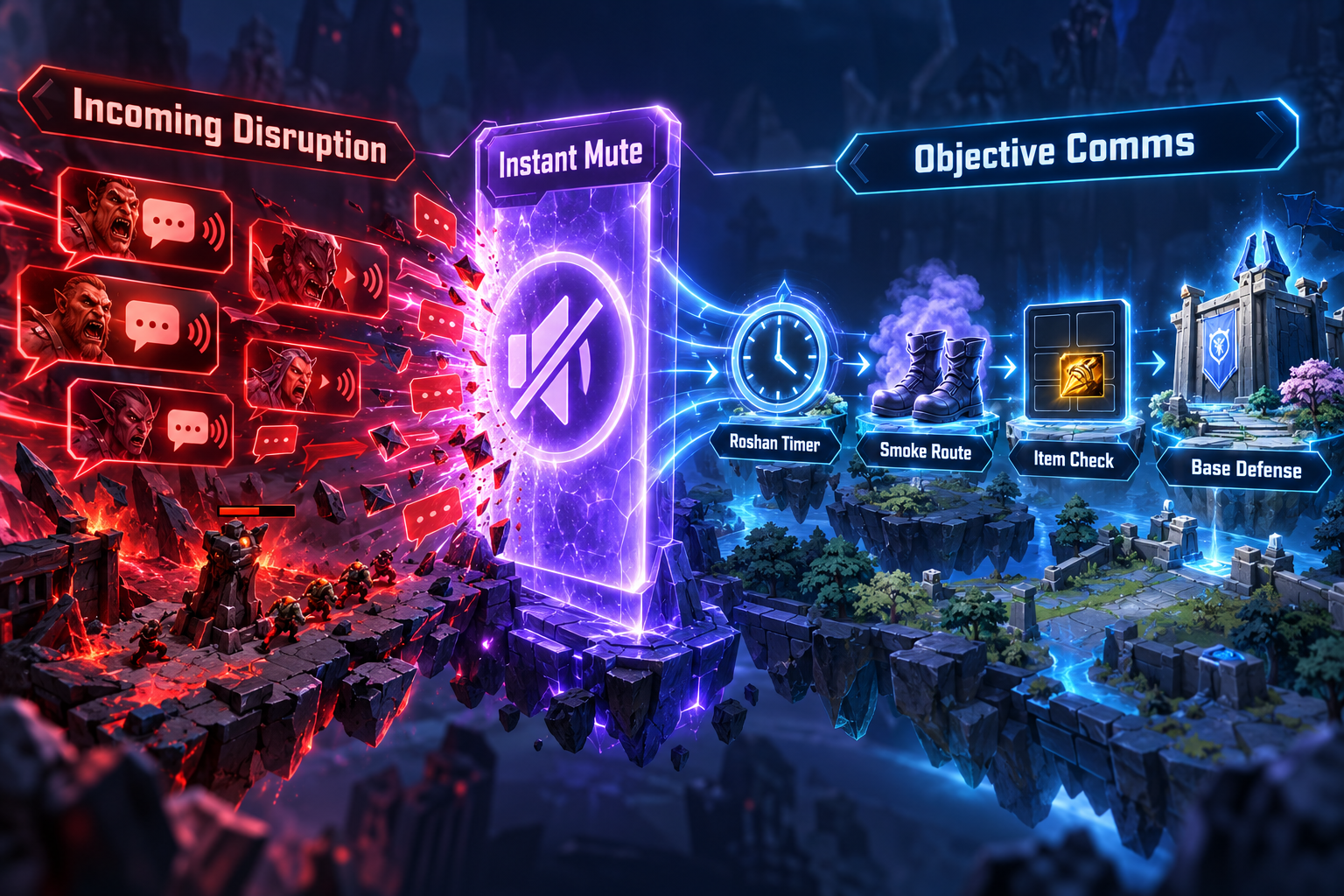
Fresh account calibration matches are notorious for volatile team morale, as players stress over their upcoming rank reveal. Engaging in chat arguments, typing complaints, or giving up after a lost lane drastically reduces your team's comeback potential. Dota 2 matches are frequently turned around through disciplined high-ground defense and successful smoke ganks, but toxic communication destroys team coordination instantly.
Keep your communication concise, positive, and strictly focused on objective calls and timers. If a teammate makes a mistake or a lane goes poorly, mute disruptive players immediately and focus entirely on your own gameplay execution and macro decisions.
- Use the mute function early to maintain focus during stressful matches.
- Keep chat callouts focused on Roshan timers, item checks, and next objectives.
- Avoid blaming teammates in chat; look for personal adjustments you can make instead.
Knowing When to Play Solo Versus Seeking Expert Guidance
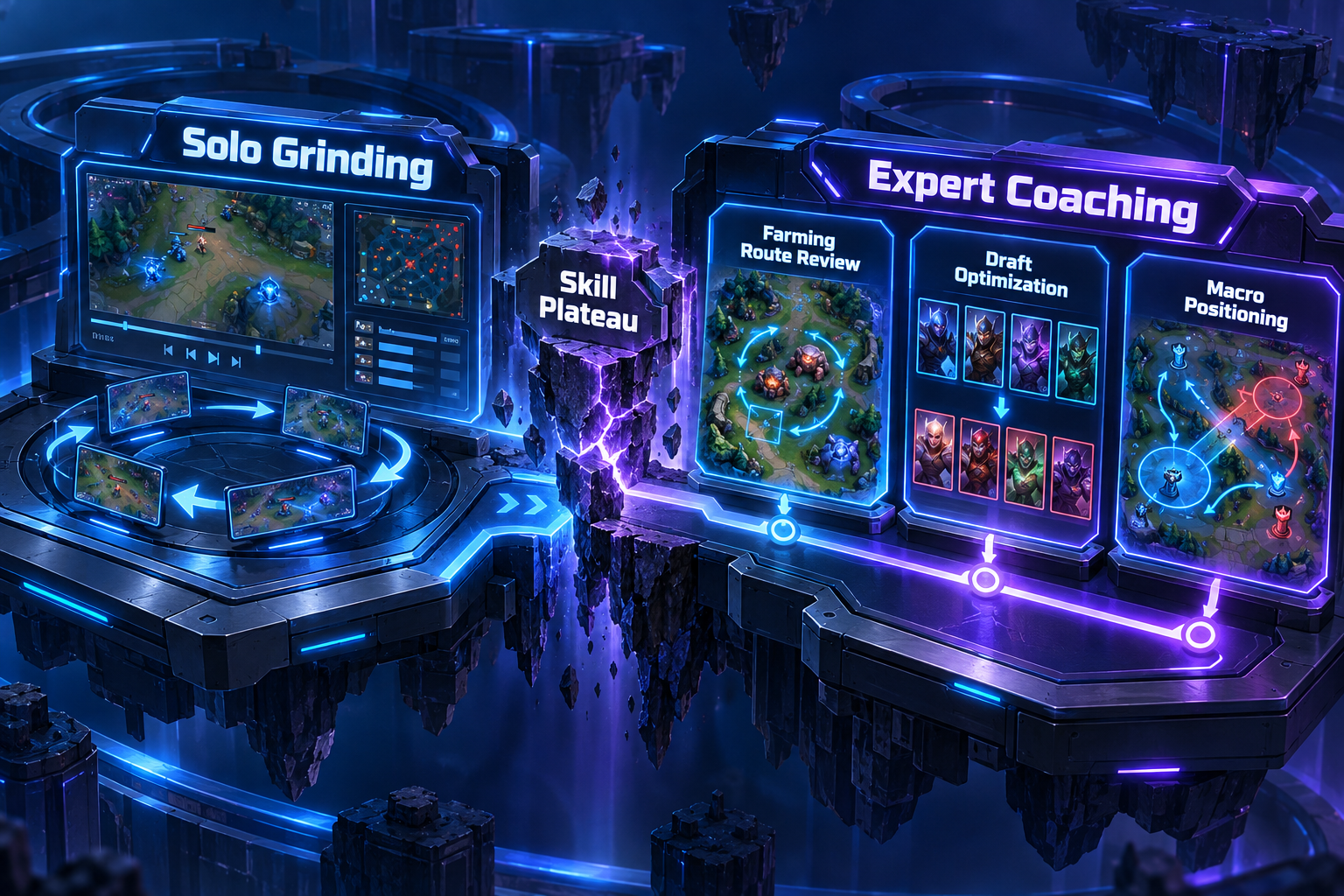
Navigating calibration matches on a fresh account requires immense mental resilience and consistent personal performance. Grinding through these matches independently is rewarding when you have the time to analyze your replays, correct mechanical flaws, and steadily improve your macro understanding over dozens of hours of practice.
However, if you find yourself repeatedly frustrated by inconsistent matchmaking outcomes, or if you want to bypass the grueling trial-and-error phase to secure a precise baseline, exploring structured coaching or professional assistance can be a sensible alternative. Experienced mentors can pinpoint hidden inefficiencies in your farming patterns, map awareness, and draft choices far quicker than solo trial and error.
- Evaluate your personal win rate and growth trajectory after each calibration session.
- Consider professional coaching or account services if you are stuck in a repetitive performance plateau.
- Balance independent grinding with objective review of your match replays.
Secure Your Desired MMR
Achieve Your Target Rank Without the Stress
Take the guesswork out of your Dota 2 competitive journey. Secure professional assistance for your placement matches and start your ranked season at the level you deserve.